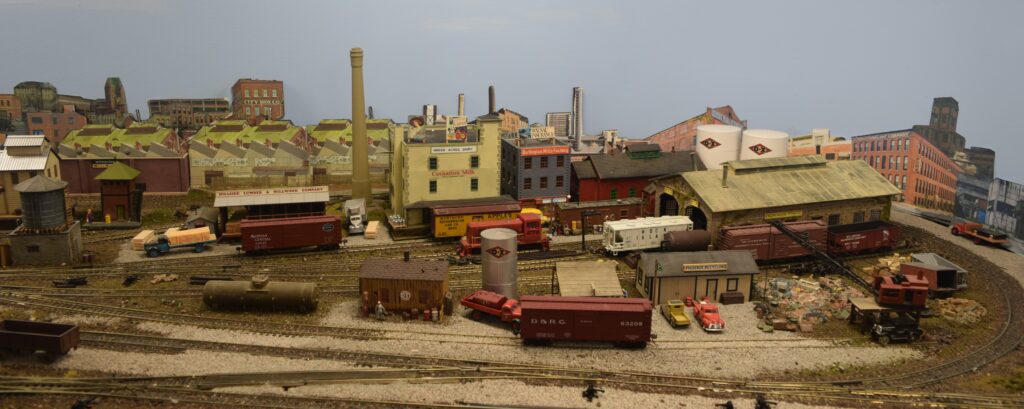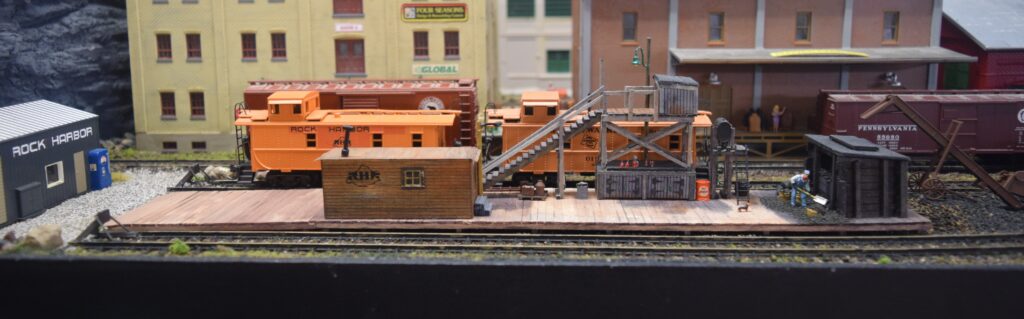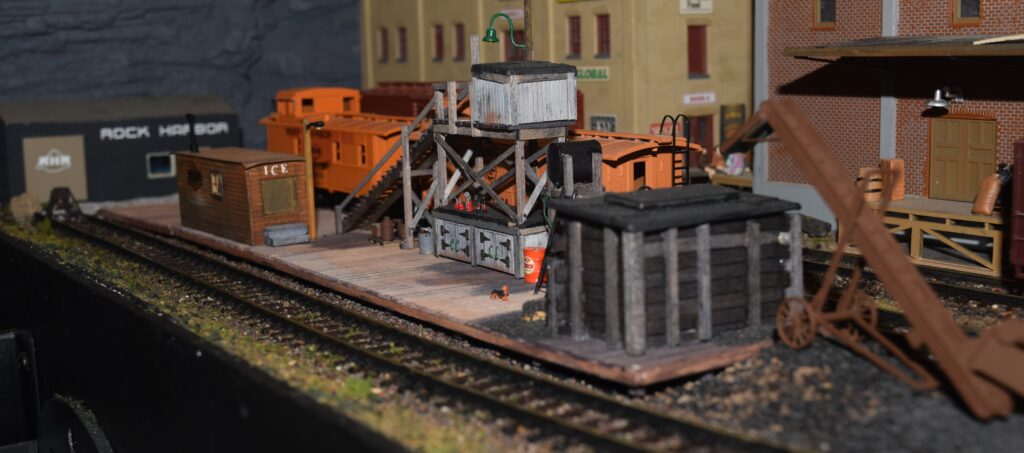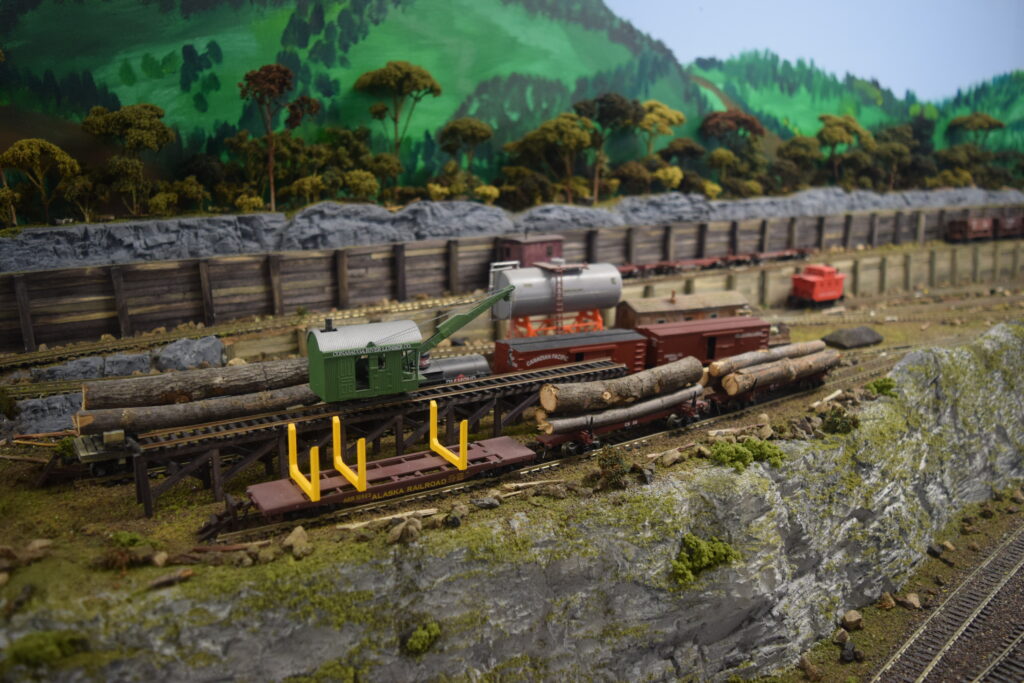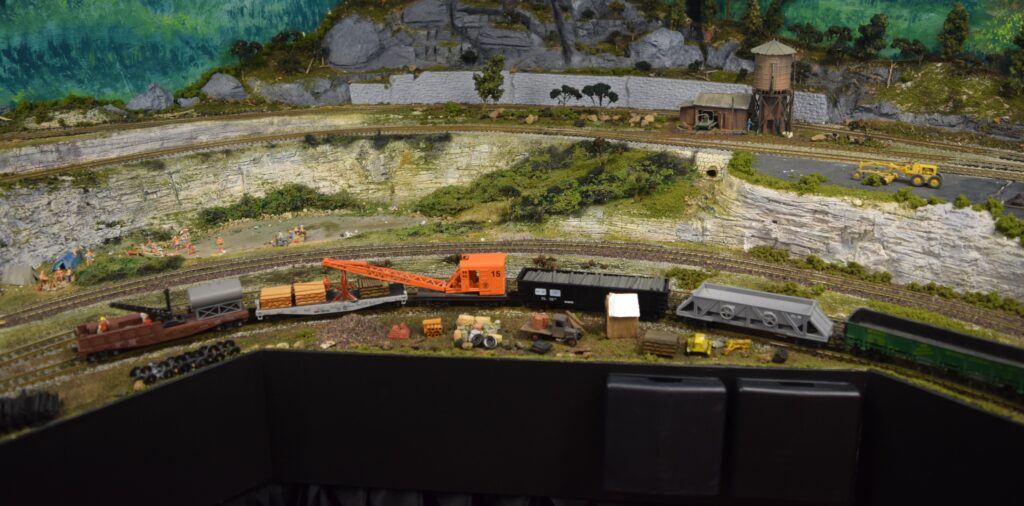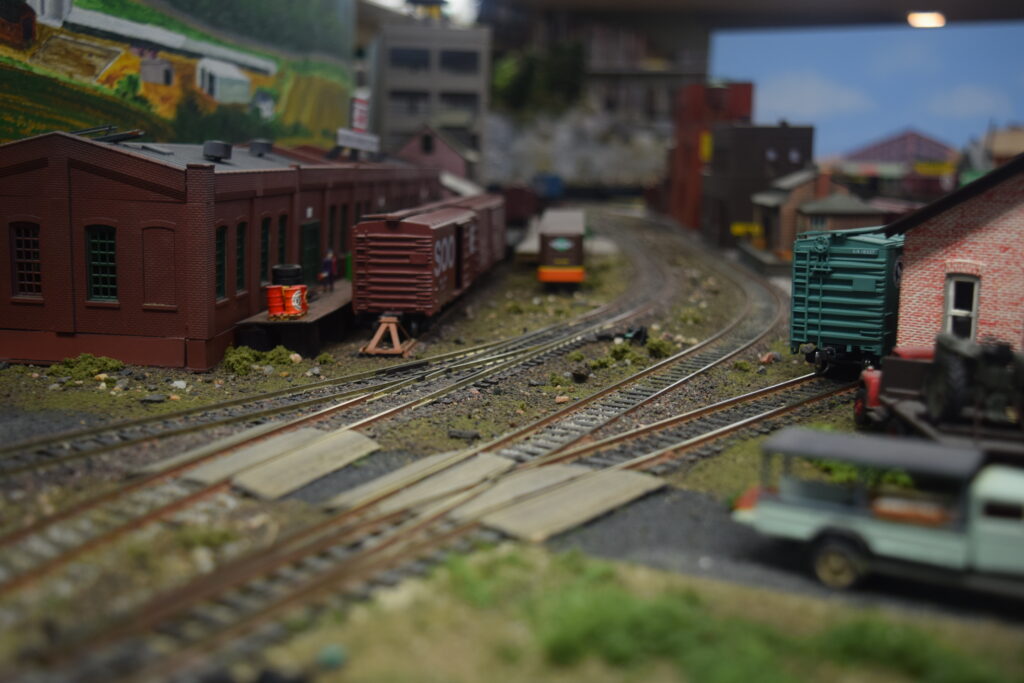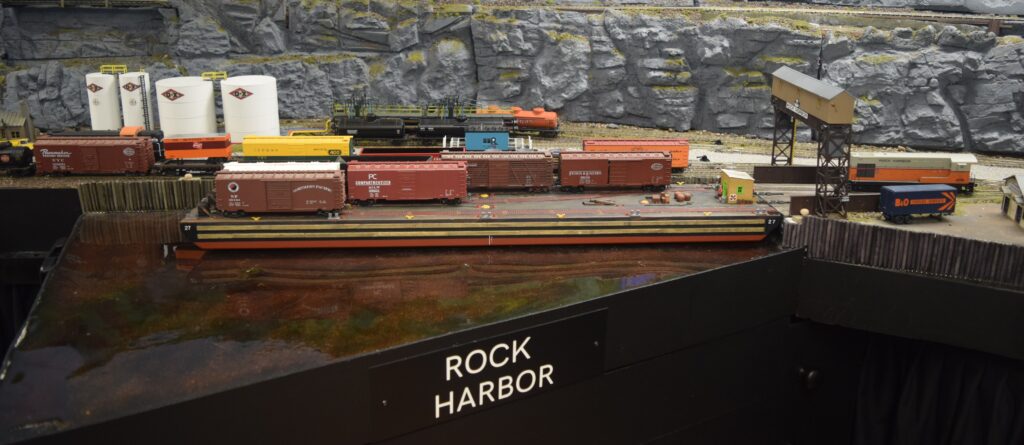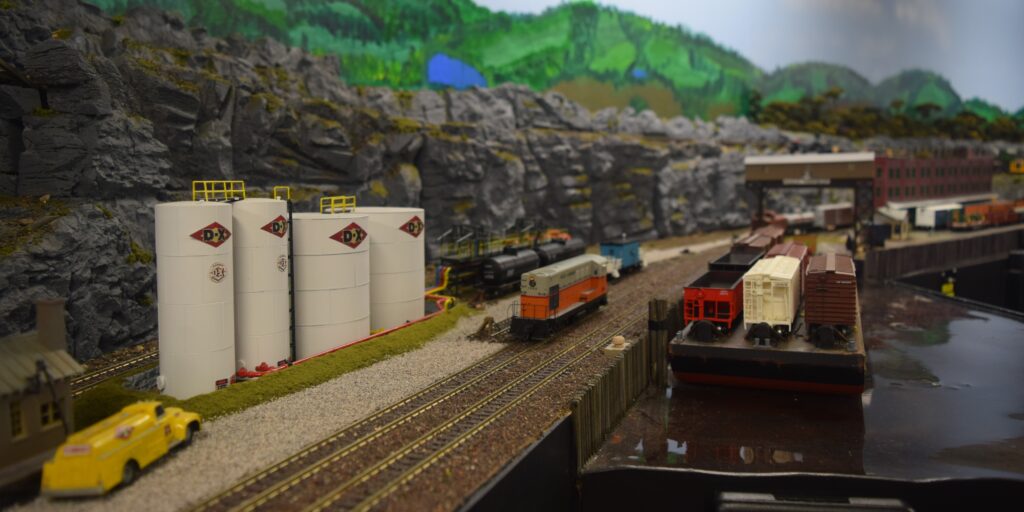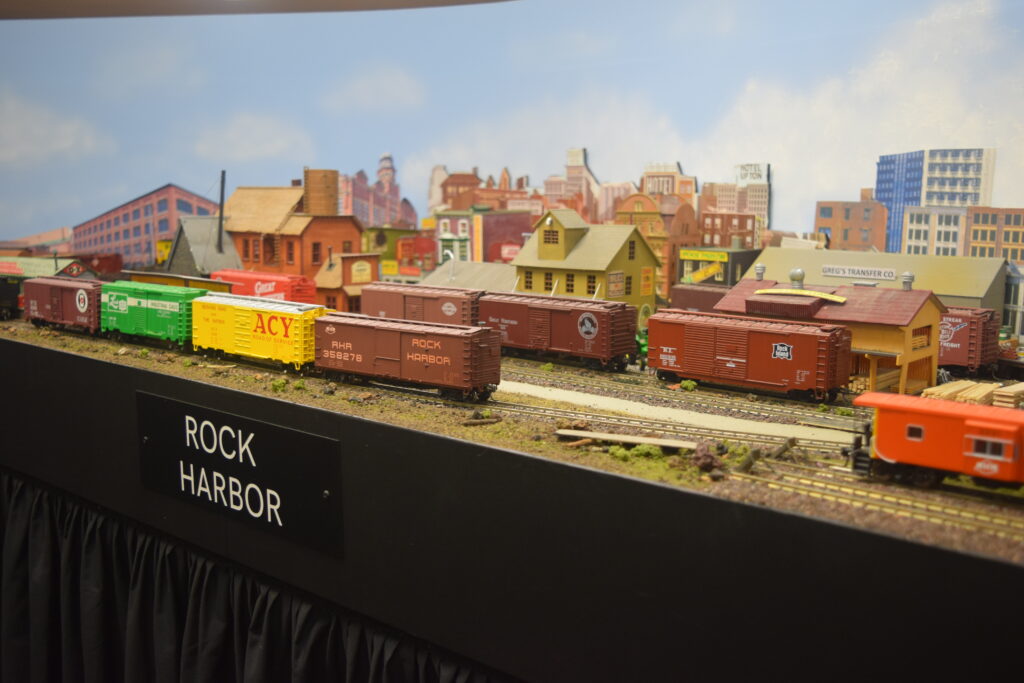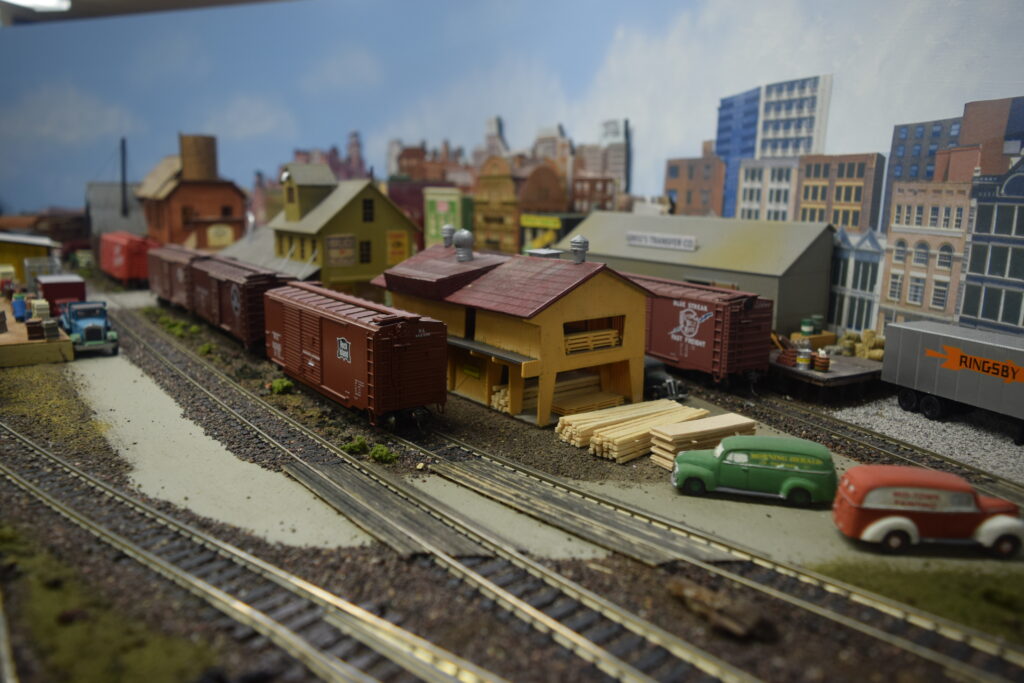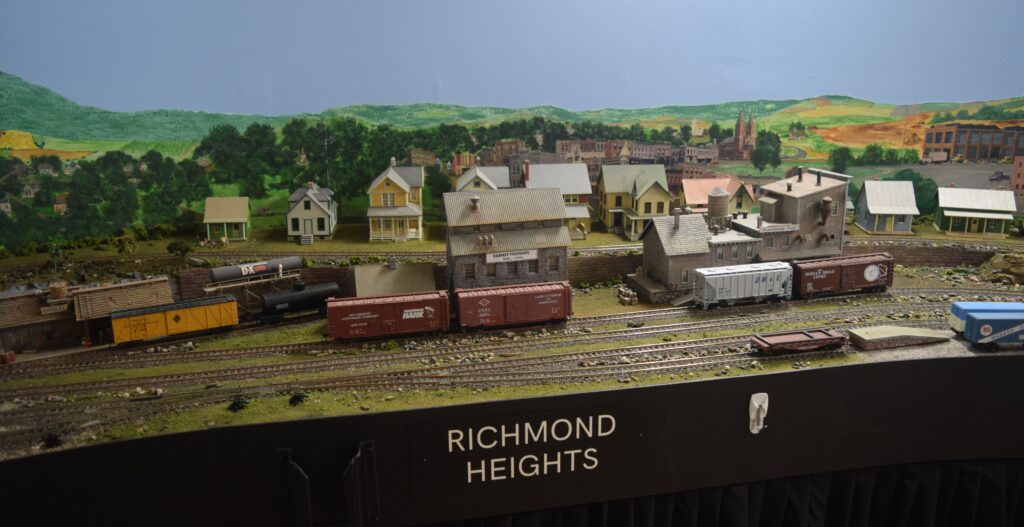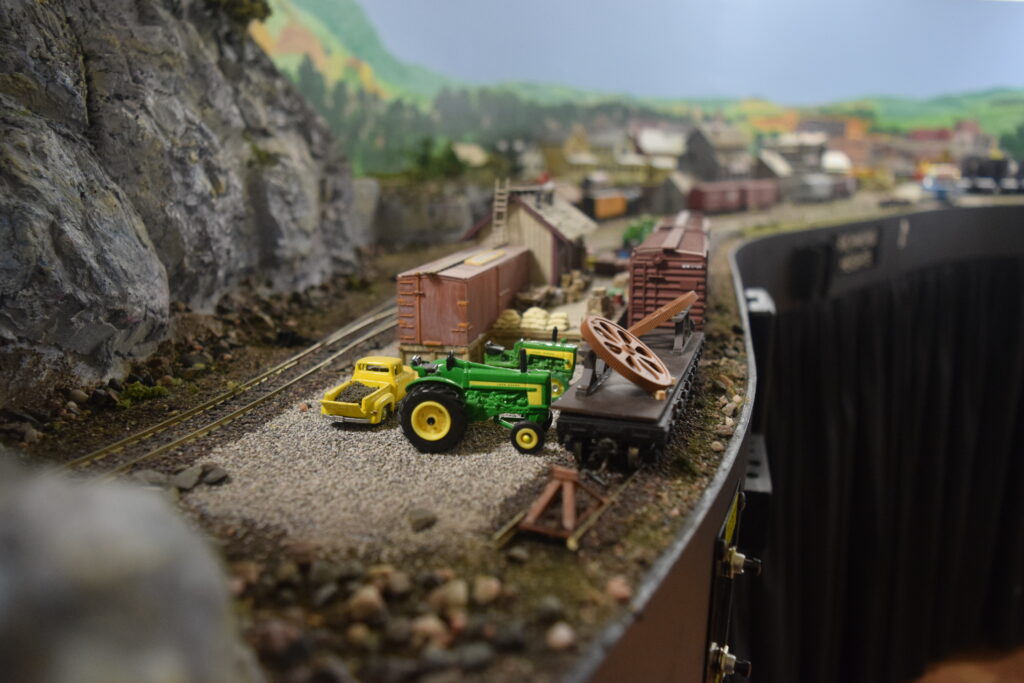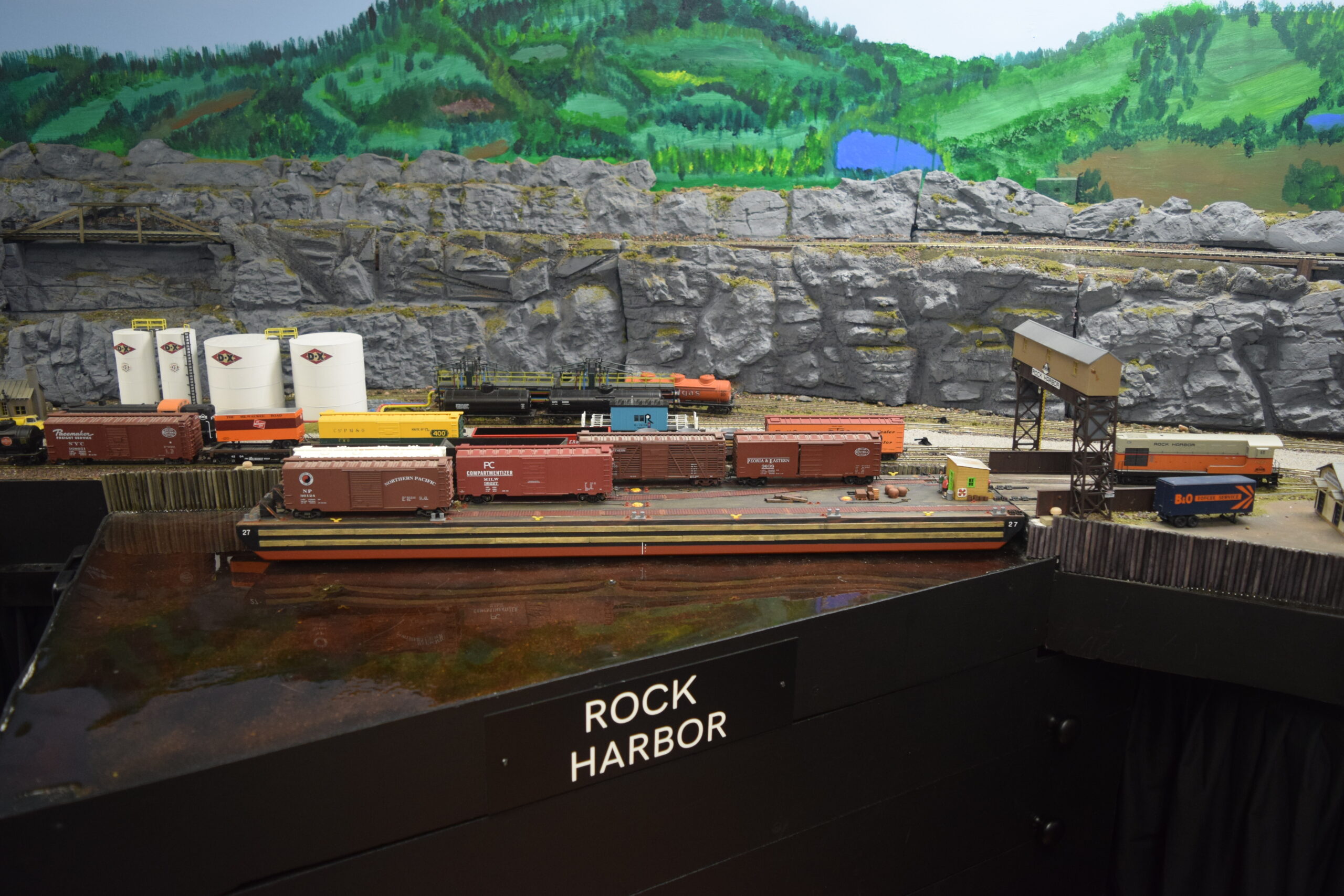
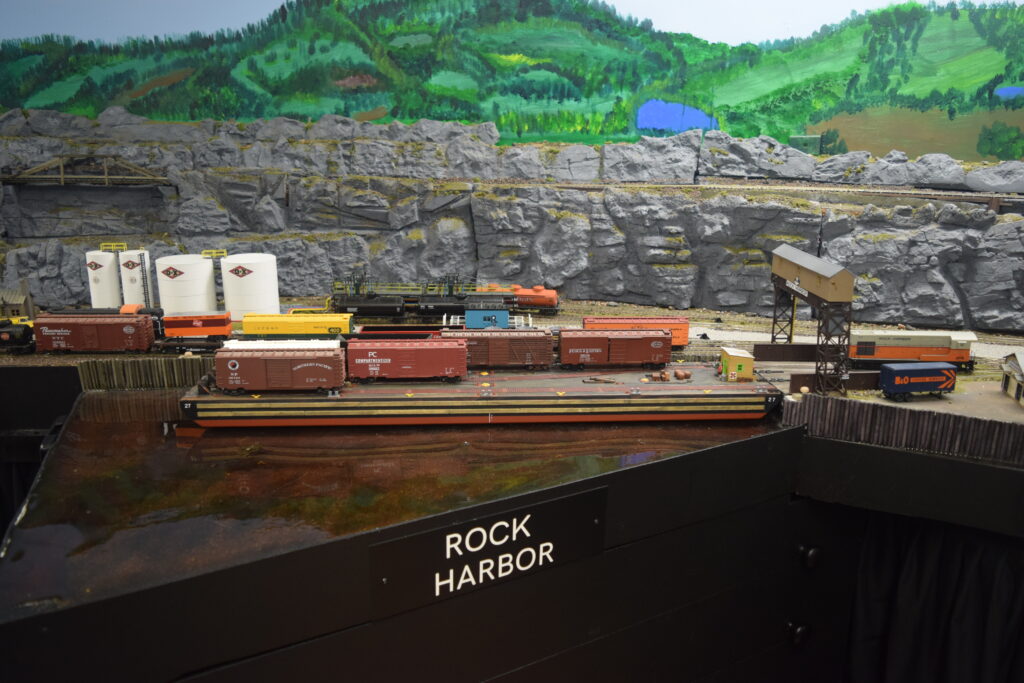
The Rock Harbor Railroad (RHR) is a fictional railroad located on an island and wholly owned by the equally fictional Rock Harbor Transportation Company (RHTC). Late in the 19th century when the RHR was built, ships would dock at Rock Harbor and transfer their goods to the railroad cars. In the early part of the 20th century the RHR was having financial troubles and went into receivership. A group of investors, realizing the potential of the RHR, created the RHTC and bought all rights to the company. One of the first cost saving ideas was to reduce the amount of labor used for loading and unloading rail cars at the docks. Constructing a causeway and bridge to connect the RHR to the mainland proved uneconomical so a car float system was developed. Most of the goods that are imported and exported for the island use this system along with an occasional tramp steamer at the old docks.
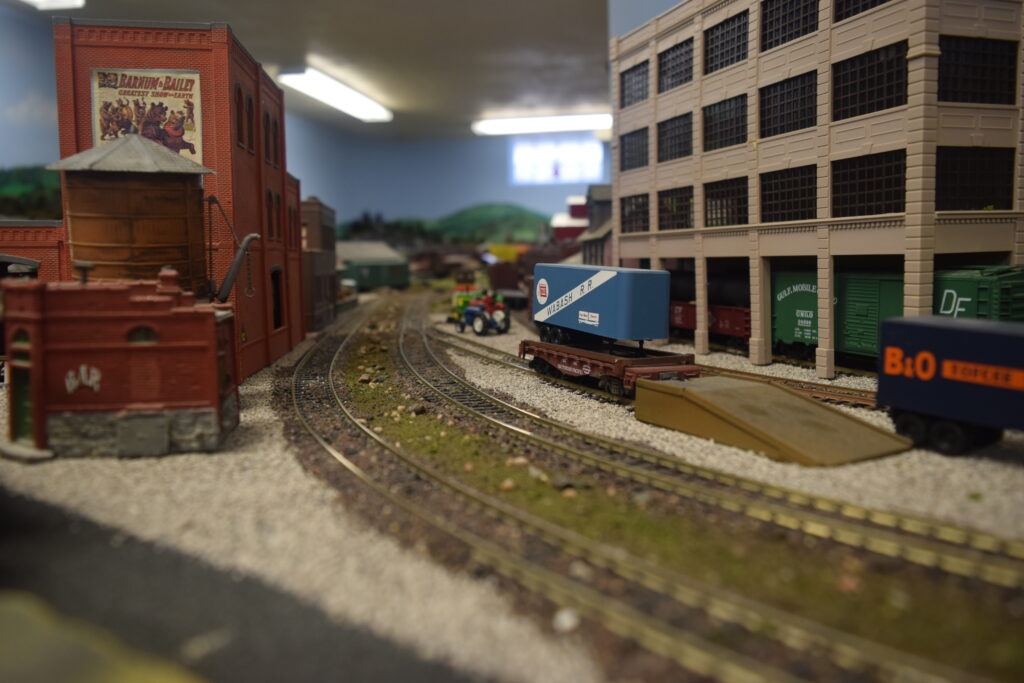
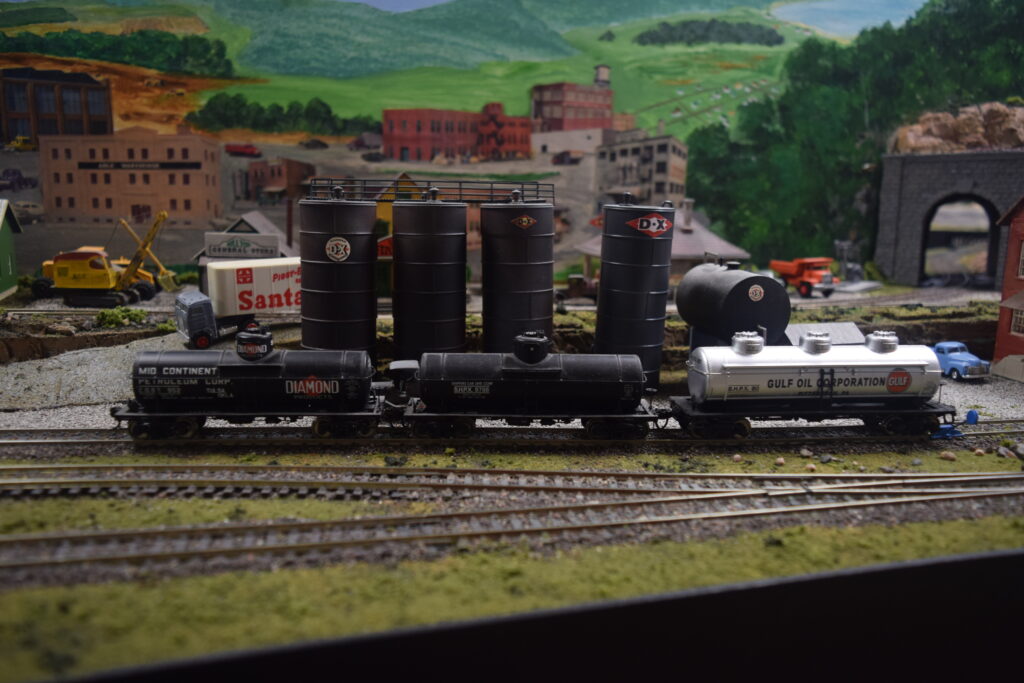
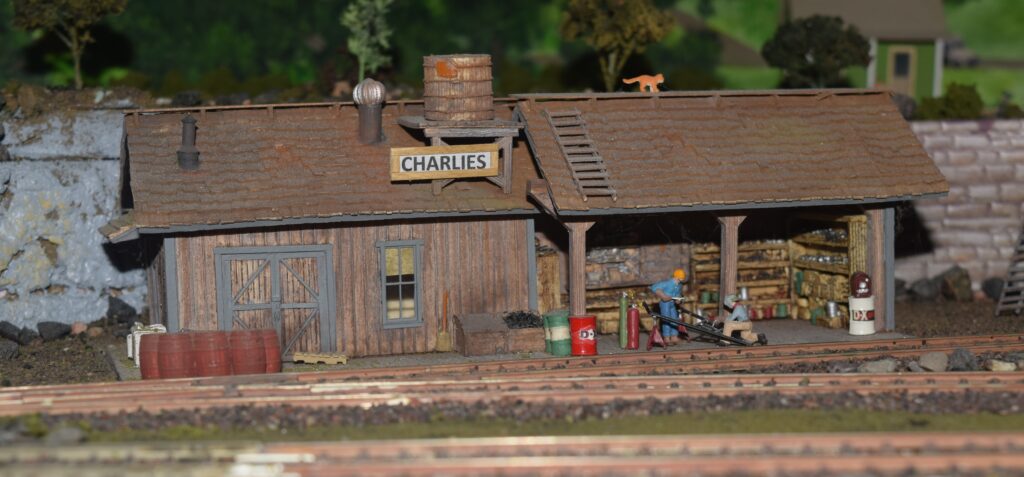
The RHR serves many industries including mining, manufacturing, agriculture, and forestry. The industries on the island can export many end products as well as raw materials.
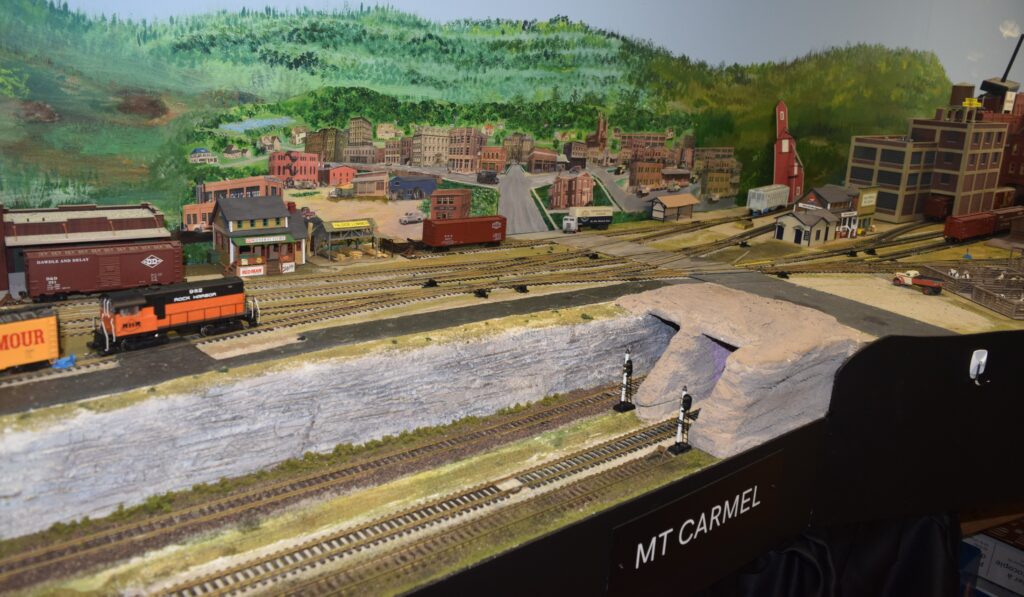
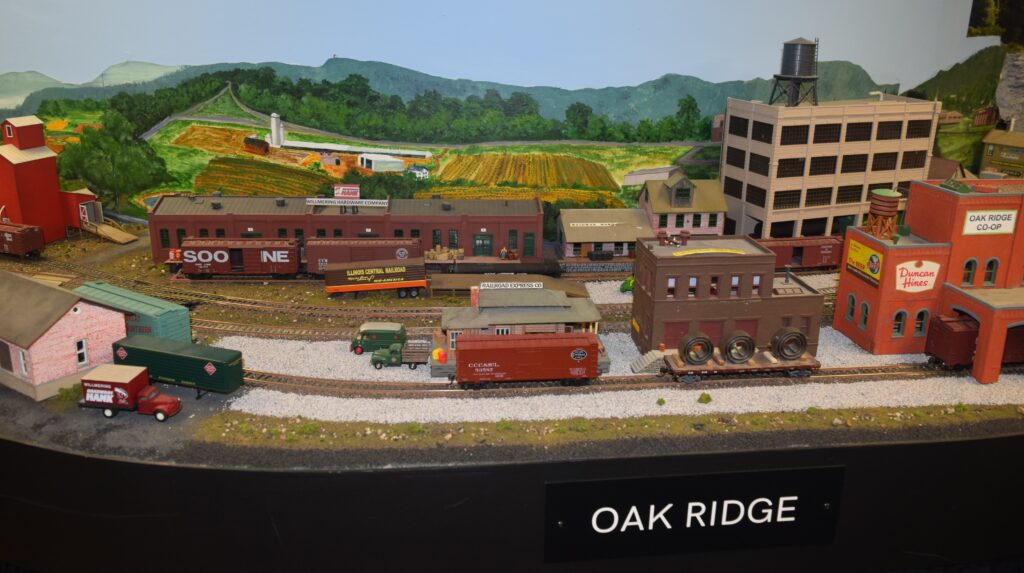
There are 5 towns on the island that the railroad serves. Oak Ridge and Richmond Heights are out on the peninsula, which include 27 loading docks between the two. Mt. Carmel is located on a bluff overlooking the harbor, and is more compact than the other towns with 12 loading docks. Jamestown is not only the largest town with 17 loading docks, but is also the location of the classification yard and the engine service facility. Rock Harbor is the fifth town with 14 loading docks and the car float dock.
Most of the Class A roads of the 1950’s share access to the mainland yard of the RHTC. At this yard, all other railroads would drop off or pick-up cars. The RHTC has a switch engine here that will sort cars and load/unload the floats.
The RHR takes advantage of used equipment by purchasing engines and cabooses from other companies, and rebranding them with their own logos. Having the ability to rebrand equipment also gives them the flexibility to make changes in the future if needed.
I use the JMRI program for operations on the Rock Harbor. I have set up the program so that every car must leave the island after it has been to an industry. All trains originating or terminating at the harbor have a maximum of 10 cars, not including the caboose. This ensures that any train going back to the float won’t overload it.
Of the 8 floats, numbers 1, 3 & 6 are the morning, afternoon, and evening transfers from the mainland to the yard in Jamestown. These 3 floats have been set-up as interchange tracks. Jamestown yard has 9 tracks. Tracks 1, 2,3, 4 & 5 receive the cars from the floats and the yardmaster builds trains from the switch list to go to the towns. All the towns and the engine facility receive trains this way. When the trains finish switching the towns, the returning cars are put on tracks 6, 7, 8, & 9. The yard master will then build trains from these tracks to return to the floats.
Floats 2, 4, 5 & 7 have been set-up as staging tracks. These floats are only set-up to set out and pick-up from Mt. Carmel, Richmond Heights and Oak Ridge. Float 8 is for the logging company.
The 8 jobs on the railroad are; Jamestown Yardmaster & Switcher, 2 Jamestown Switchers, Harbor Switcher and 3 road crews.
Jamestown Yardmaster & Switcher: Builds trains for the town runs and float transfers. Accept returning trains.
Jamestown Switcher: This is the busiest job on the railroad. You will receive and sort cars from the floats and returning trains. If you have time, you will switch both morning and evening locals. During switching you will need to clear the main when a train comes in and sort those cars. The local job is lowest priority. You will get buried toward the end of the session.
Harbor Switcher: Load and unload the barges and transfer to Jamestown.